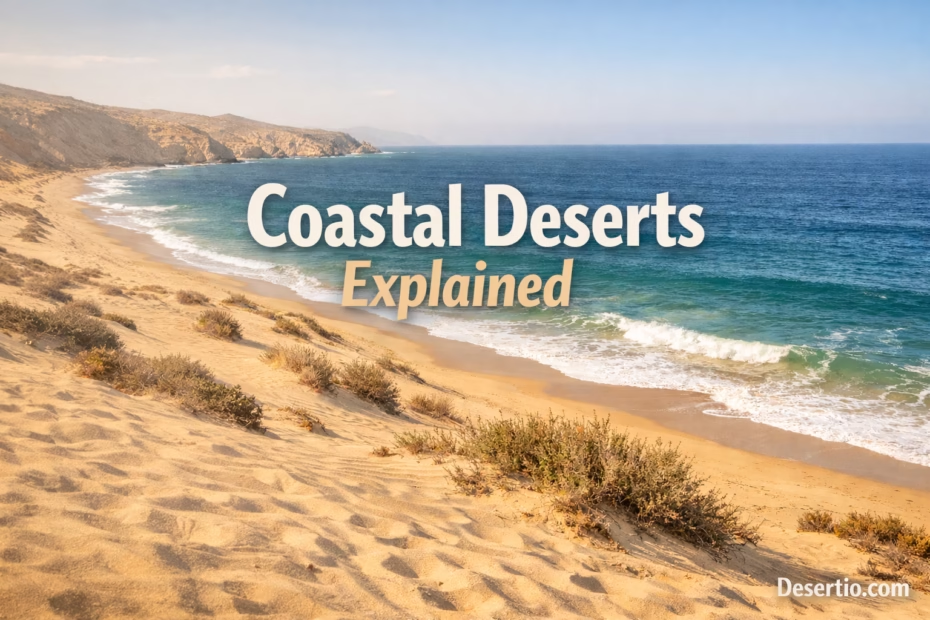
Coastal Deserts Explained
Coastal deserts experience extreme fog and virtually no rainfall, creating some of Earth’s most paradoxical landscapes where life thrives against all odds.
Coastal deserts experience extreme fog and virtually no rainfall, creating some of Earth’s most paradoxical landscapes where life thrives against all odds.
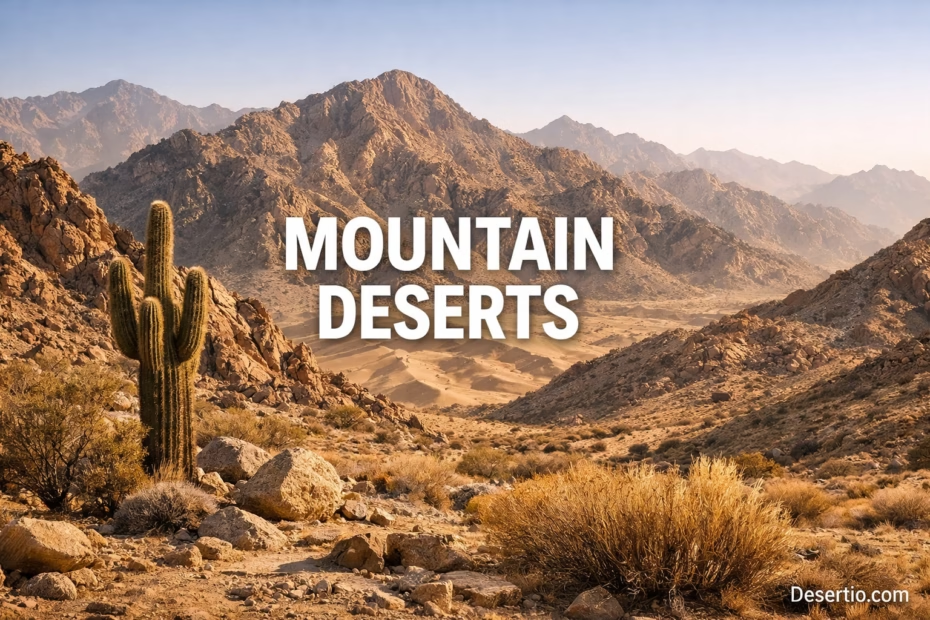
From the Atacama to the Gobi Plateau, mountain deserts form where high elevations block moisture and create arid zones above 3,000 feet.
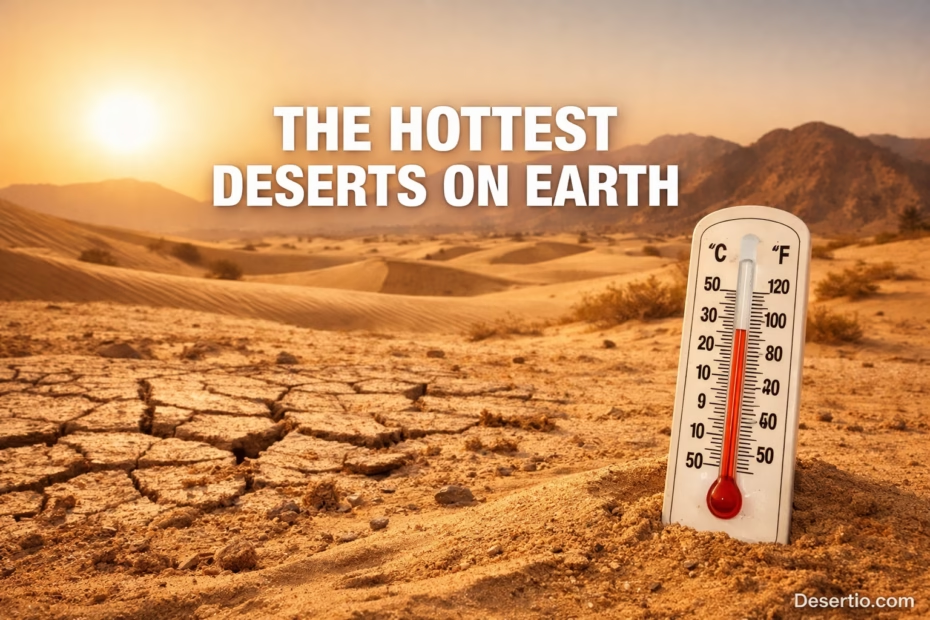
From the Lut Desert’s record 70.7°C surface temperature to the Sahara’s vast sand seas, the hottest deserts on Earth push survival to its absolute limits.
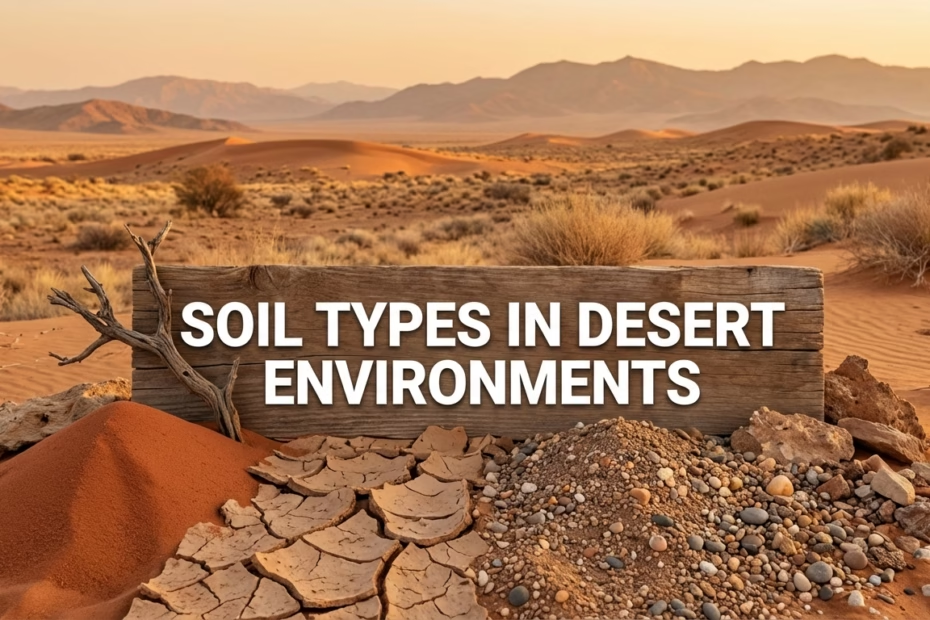
From sandy dunes to rocky pavements, soil types in desert environments include aridisols and entisols shaped by minimal rainfall and extreme heat.
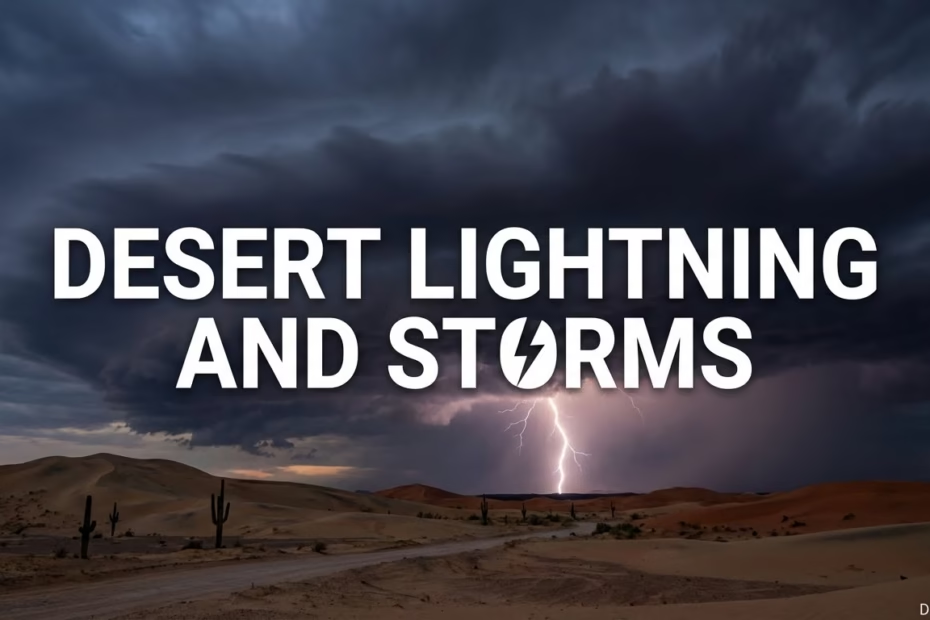
Rare thunderstorms in arid regions produce stunning desert lightning and storms, often triggered by intense surface heating and monsoon moisture shifts.
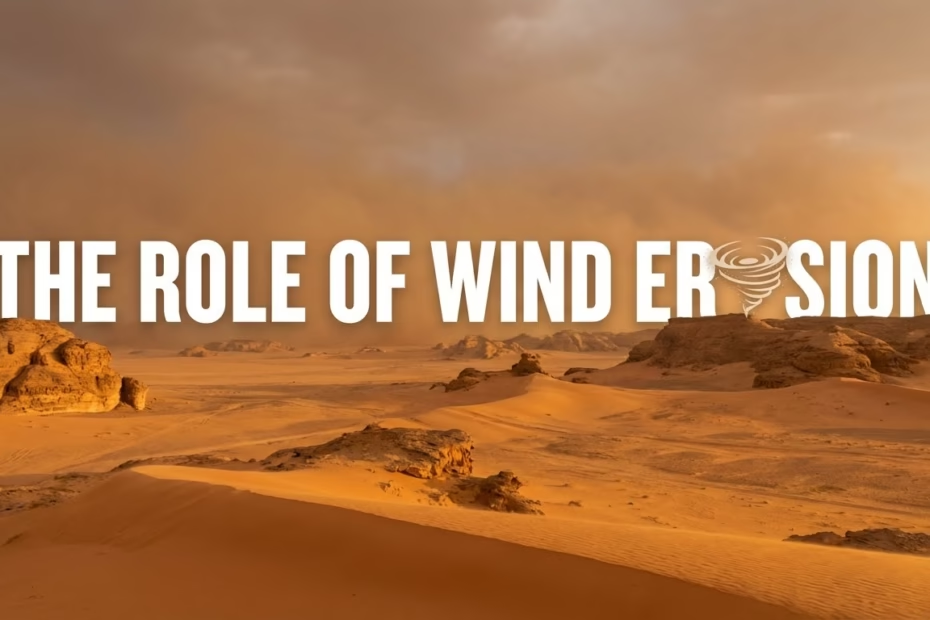
Wind erosion shapes landscapes by carving rock formations and transporting millions of tons of sediment, and the role of wind erosion grows as vegetation…
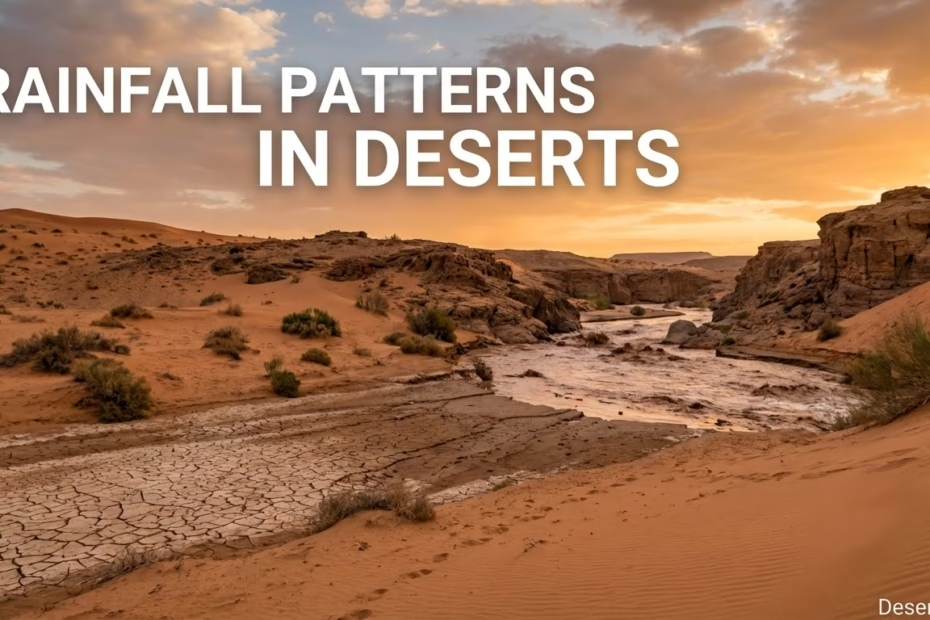
From rare flash floods to years without a single drop, rainfall patterns in deserts shape survival strategies for every plant and animal in these dry regions.
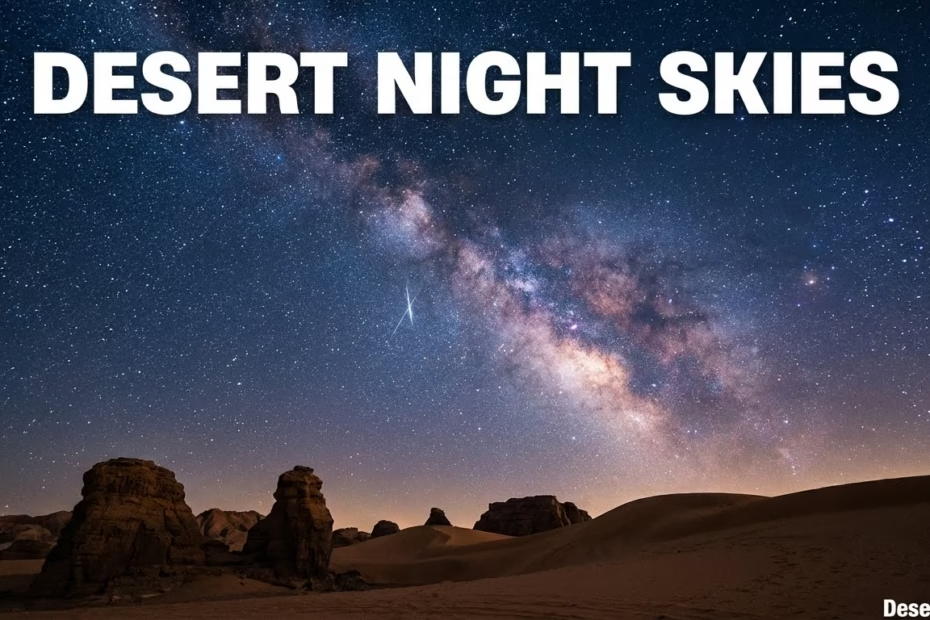
Far from city lights, desert night skies reveal thousands of stars, the Milky Way’s glow, and ideal conditions for stargazing year-round.
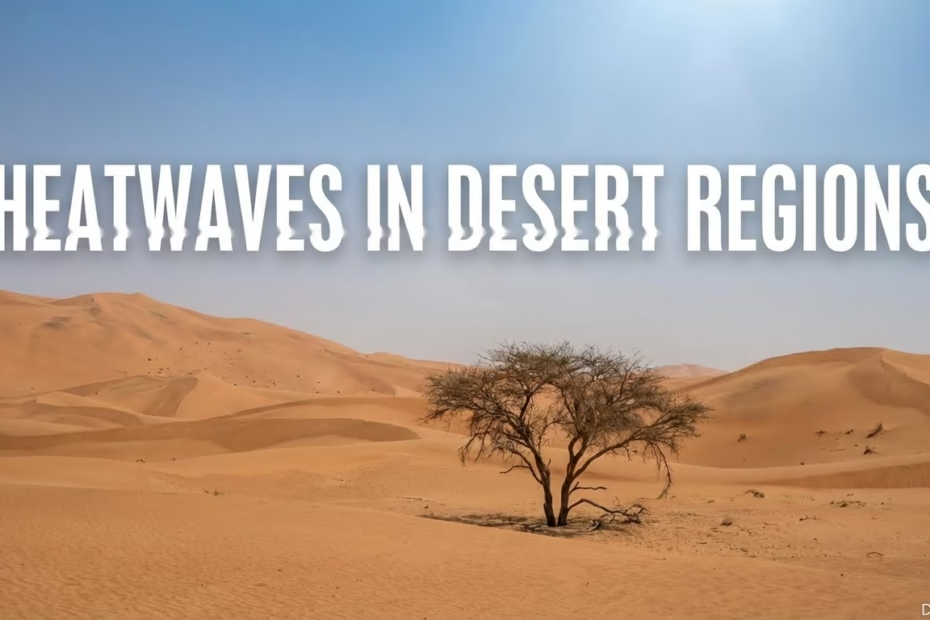
From record-breaking 56°C temperatures in Death Valley to shifting sand dunes, heatwaves in desert regions reshape ecosystems and threaten communities.
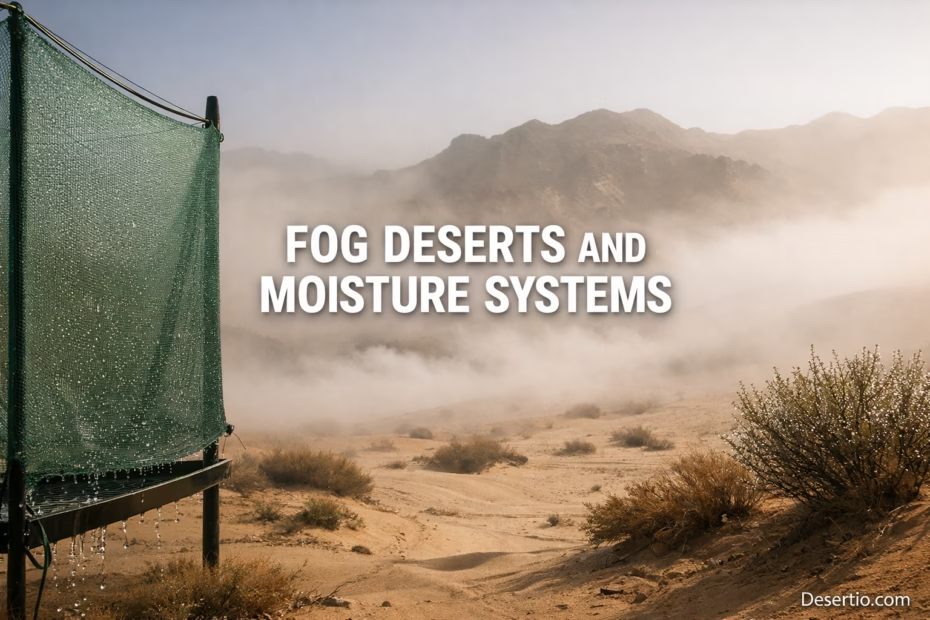
Coastal regions like the Atacama and Namib rely on fog deserts and moisture systems instead of rainfall to sustain specialized plants and insects.
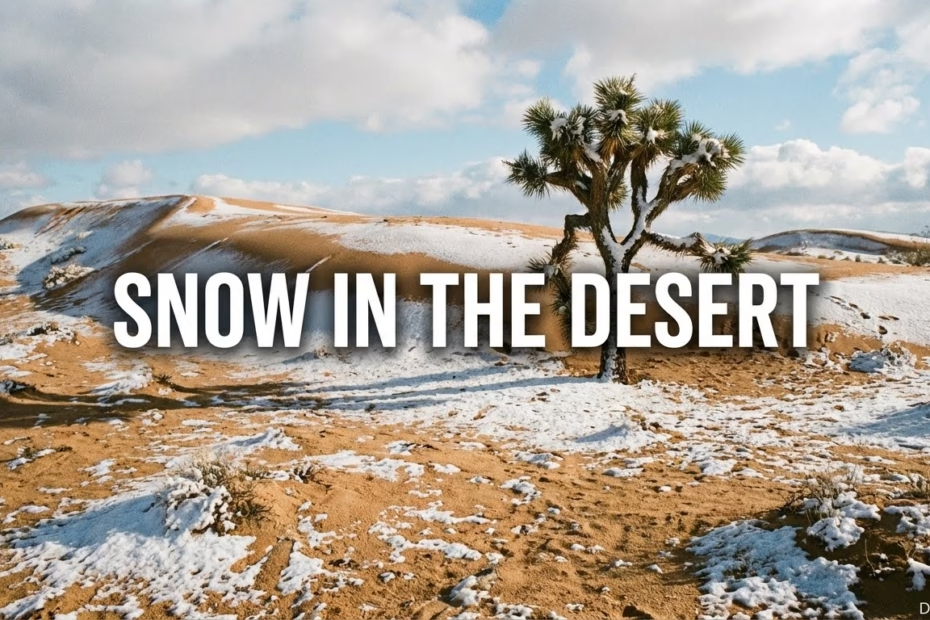
From rare Sahara dustings to Antarctica’s polar plains, snow in the desert transforms arid landscapes in surprising and beautiful ways.
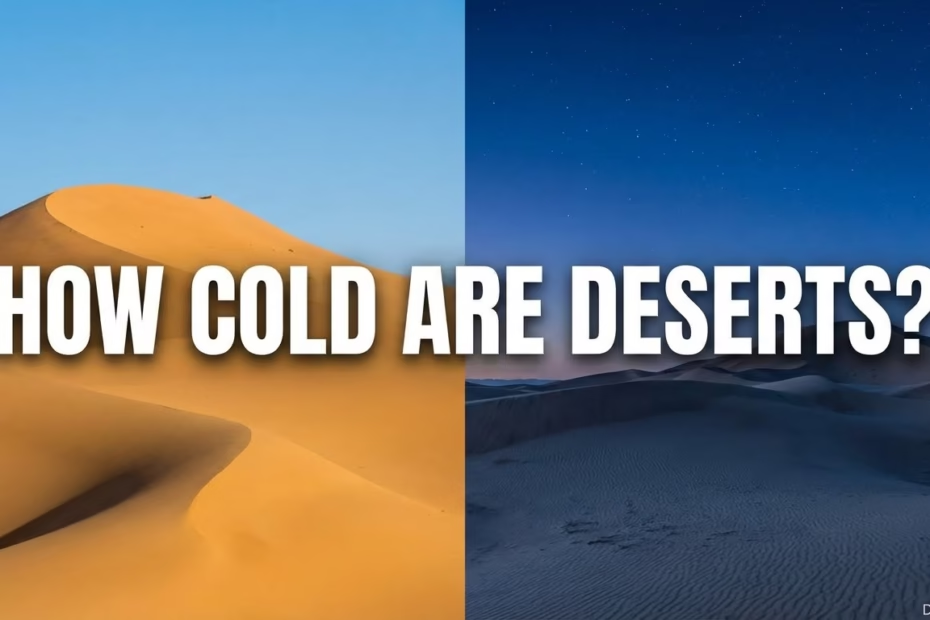
Nighttime temperatures in some deserts plunge below -40°F, proving how cold are deserts beyond their sun-scorched reputation.
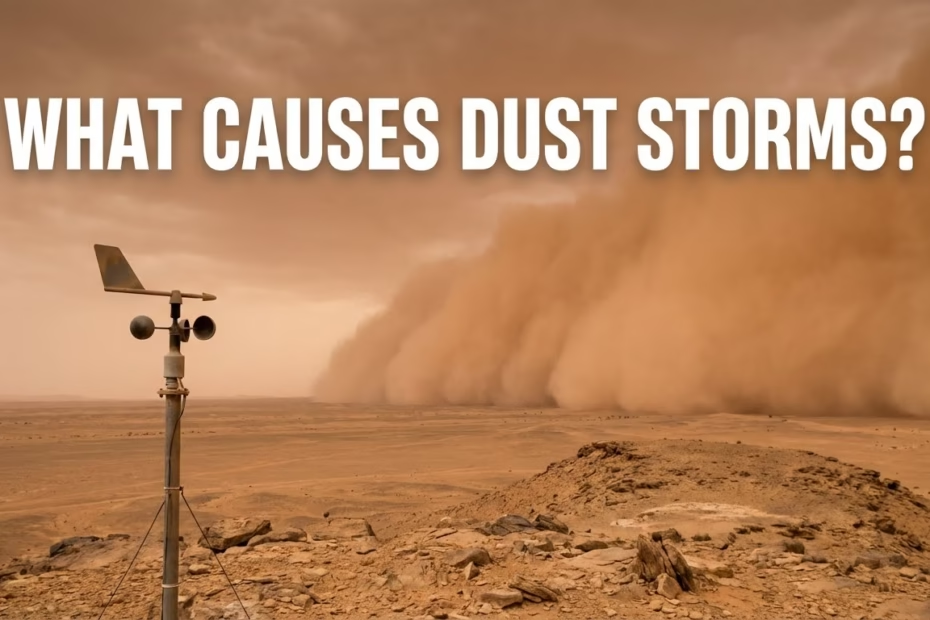
Strong winds lifting loose sand and dry soil are what causes dust storms, with some walls of debris rising over 1,000 feet and spanning entire continents.
Without moisture or clouds to trap warmth, why deserts cool down quickly comes down to low humidity and rapid heat loss after sunset.
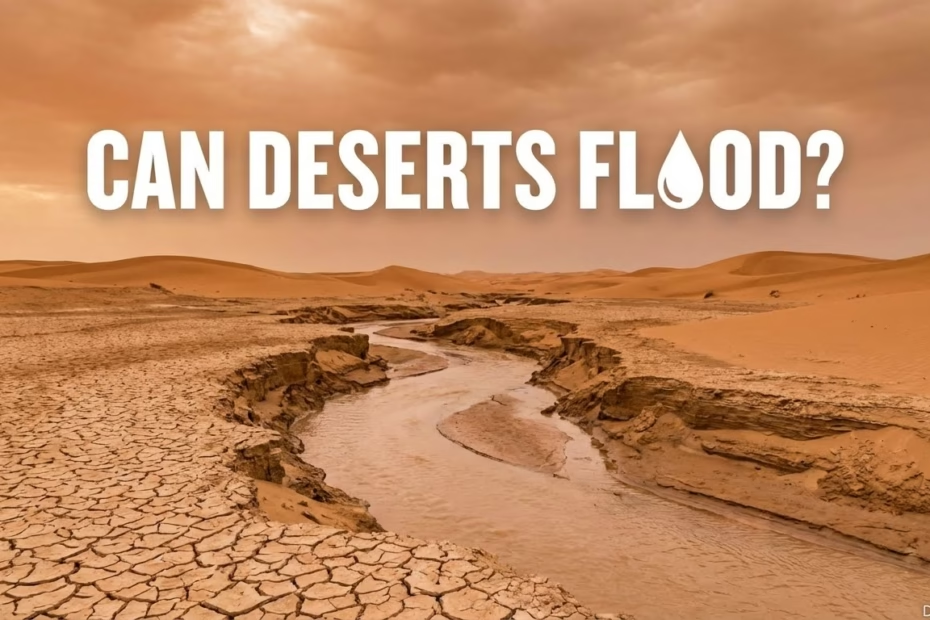
Yes, deserts can flood — and flash floods in places like Death Valley can move boulders weighing several tons within minutes.
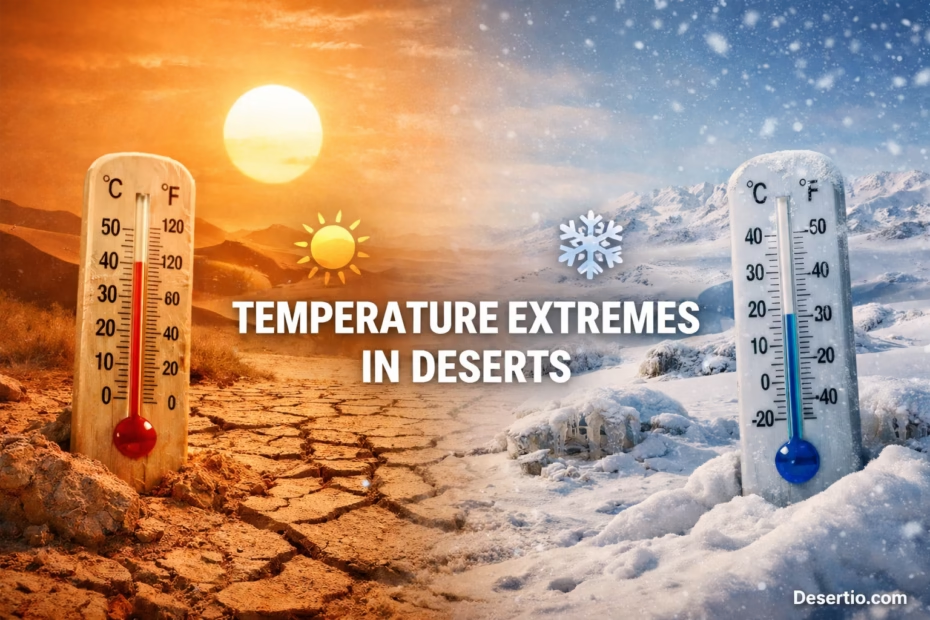
From scorching 56°C days to freezing -10°C nights, temperature extremes in deserts create one of Earth’s most dramatic thermal swings.

From crescent-shaped barchans to towering star formations, the main types of sand dunes each form under specific wind patterns and conditions.
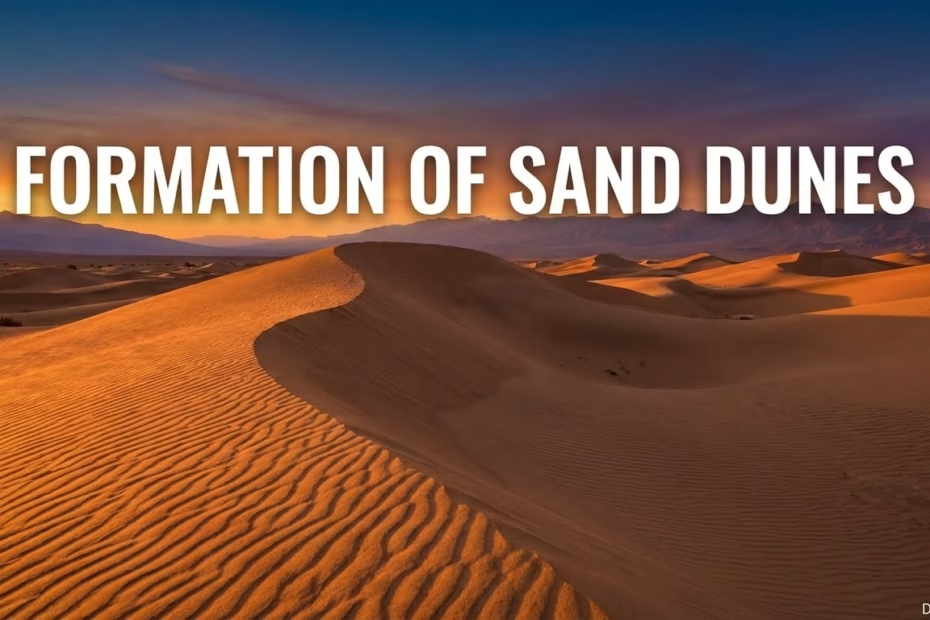
Sand dunes form through wind patterns that shape and reshape desert landscapes over years. Learn how weather creates these remarkable geological structures.
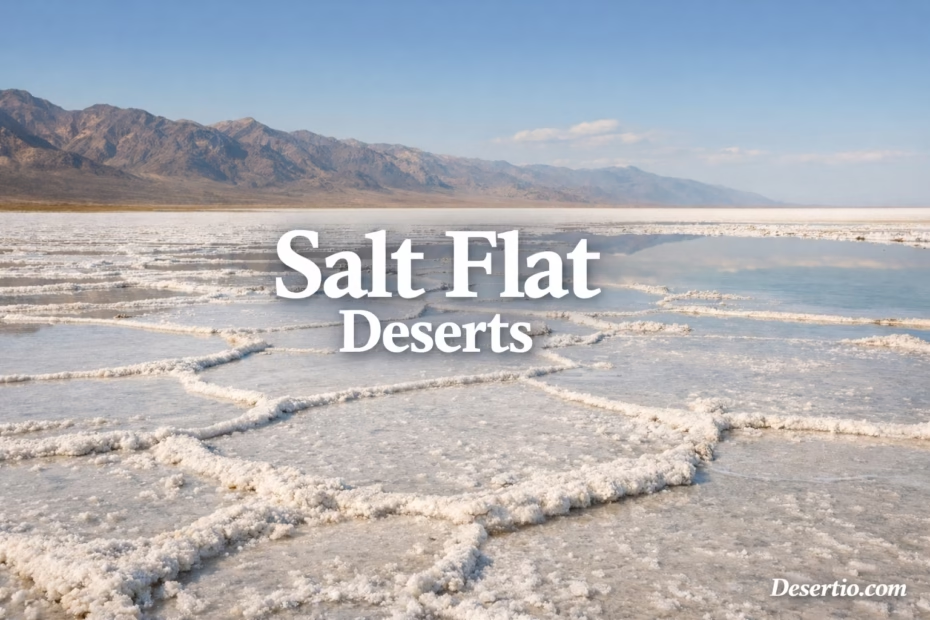
Salt flat deserts cover over 1 million square kilometers globally, creating otherworldly landscapes where salt crusts form spectacular geometric patterns…

Solar radiation shapes desert temperatures, creating extreme heat during day and cold at night. Learn how this energy drives survival strategies in harsh…
Deserts experience dramatic seasonal shifts despite their arid reputation, with temperature swings of 40°F between seasons and rare rainfall patterns that…

Temperature swings in deserts can be extreme: scorching by day, freezing after dark. See why sand lacks the heat retention of other landscapes.
Climate change is reshaping desert ecosystems faster than expected. Learn how rising temperatures and shifting rainfall patterns will transform these…
Deserts transform through rainfall and human intervention, turning arid lands into thriving ecosystems. See how climate patterns and restoration efforts make…