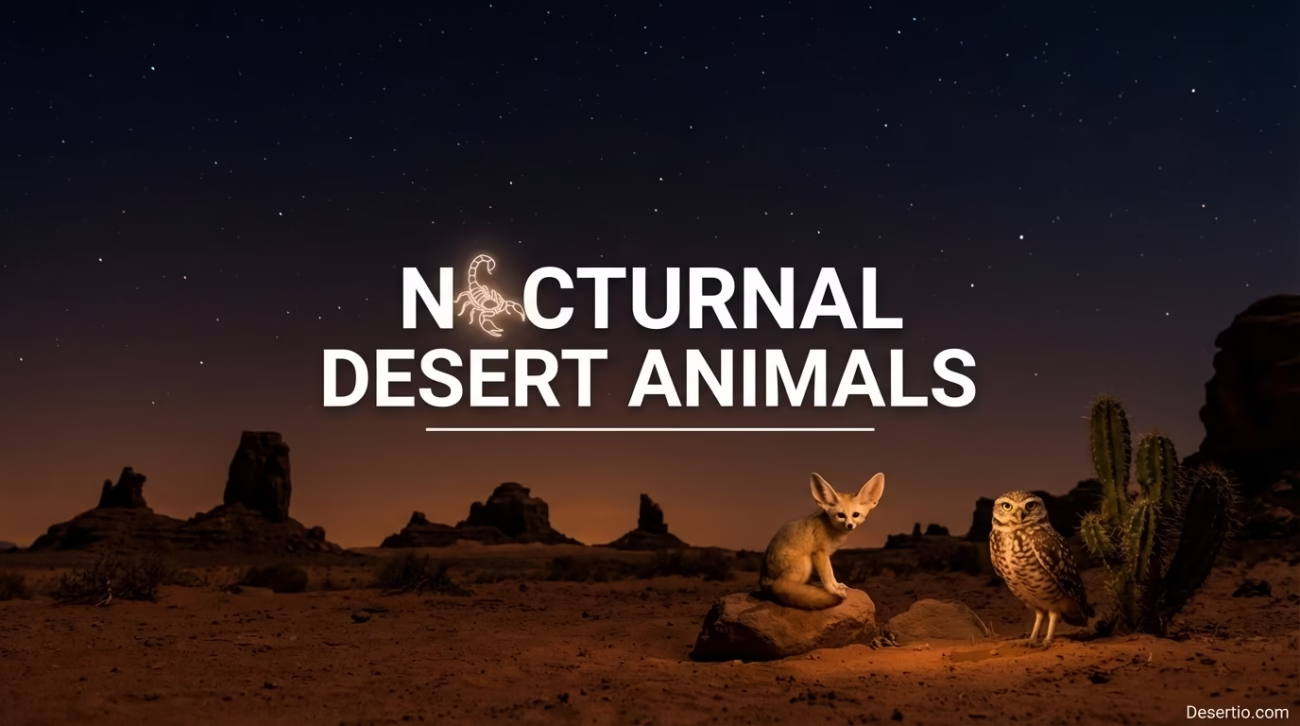
Nocturnal desert animals run the late shift in places where daytime heat feels like an open oven. When the sun drops, the whole ecosystem changes tempo—air cools, shadows stretch, and sand stops burning. That cooler window is a big deal, so you’ll find night-active wildlife tuned to darkness, silence, and scarce water.
- Why Desert Life Leans Into The Night
- What Night Activity Buys An Animal
- Why Not Everything Is Always Nocturnal
- Core Adaptations That Make The Dark Work
- Staying Cool Without Losing Water
- Finding Water When There Is Almost None
- Senses Tuned For Darkness
- Movement On Sand, Gravel, And Rock
- Nocturnal Mammals Of The Desert
- A Common Night Routine In Many Small Desert Mammals
- Nocturnal Reptiles And Amphibians In Desert Landscapes
- Night-Friendly Reptile Traits You’ll See Again And Again
- Invertebrates: The Night Crowd With The Biggest Numbers
- Common Nighttime Invertebrate Roles
- Why Invertebrates Thrive After Dark
- Birds That Own The Desert Night
- Plants, Pollination, And The Nighttime Food Chain
- Microhabitats: The Hidden Architecture Of Desert Nights
- Where Nocturnal Desert Animals Spend Their Day
- How To Think About “Nocturnal” In Real Deserts
Think of the desert night like a temporary climate upgrade. Heat stress drops, evaporation slows, and many animals can move without overheating. For a lot of species, nocturnal living is not a preference—it’s a smart design choice shaped by physics and biology.
Why Desert Life Leans Into The Night
Deserts aren’t “always hot.” They’re often extreme—hot days, cooler nights, and very dry air that pulls moisture away. That dryness matters because sweating and panting cost water, so being active at night can mean less water lost to the air. In many regions, nighttime humidity is slightly higher too, which helps small animals and insects avoid drying out.
There’s also a timing advantage: dusk and night line up with safer ground temperatures. A sun-baked surface can stay hot after sunset, but it cools steadily, and many species time their activity to that curve. It’s why you’ll hear people describe desert nights as alive but careful, a world built around energy efficiency.
What Night Activity Buys An Animal
- Lower overheating risk during movement and foraging
- Reduced evaporative water loss from skin and lungs
- More time near the surface without touching hot ground
- Better use of burrows: cool “storage” by day, active “output” by night
- Access to prey and plants that are also nocturnal
Why Not Everything Is Always Nocturnal
- Some species switch with the seasons; summer nights can be the main activity window
- Moonlight changes behavior; bright nights can feel too exposed for smaller animals
- Food type matters: some plants and prey are easier to find at dawn and dusk
- Thermal limits differ: a gecko and a fox do not “read” temperature the same way
- Burrow access and shelter availability can set the schedule more than instinct does
Core Adaptations That Make The Dark Work
Nocturnal desert animals don’t just “stay up late.” Their bodies and behaviors often revolve around heat control, water budgeting, and sensory tools built for low light. It’s like carrying a survival toolkit that’s invisible until sunset.
Staying Cool Without Losing Water
Day-active animals often rely on evaporative cooling, but in deserts that can be expensive. Many nocturnal species dodge the problem by shifting activity into cooler hours and using behavioral cooling: moving in short bursts, resting frequently, and choosing microhabitats that feel like natural air conditioning. Rock crevices, shaded washes, and burrows create cooler pockets where heat loss is easier and breathing stays calmer.
Finding Water When There Is Almost None
Water comes in more forms than a puddle. Desert species may use metabolic water (made when the body breaks down food), moisture from seeds and insects, and tiny amounts of dew or fog. Efficient kidneys and concentrated urine are common in many mammals, while some reptiles and birds minimize water loss by excreting more concentrated waste. In the background, the real star is tight control: only spending water when it pays off.
Senses Tuned For Darkness
Night navigation in open terrain demands sharp hearing, sensitive smell, and eyes built for low light. Large ears in some desert mammals are not just for sound; they can also help with heat exchange. Many nocturnal reptiles and arthropods lean on vibration detection and chemical cues, while owls and nightjars pair silent flight or soft feathers with precision listening. Add it up and you get a sensory map that works even when the landscape looks flat and featureless.
Movement On Sand, Gravel, And Rock
Loose sand behaves like a moving carpet, and rocky deserts can be a sharp maze. You’ll often see specialized feet (furred soles, broad pads, or gripping toes) and movement styles designed for efficiency—hopping, bounding, low-slung crawling, or quick stop-and-go sprints. For small animals, burrow-to-burrow travel is a low-risk corridor, using terrain like a set of stepping-stones. Even insects show it: many beetles are fast, low, and deliberate after dark.
| Animal Group | Common Nocturnal Examples | Nighttime Advantage | Signature Desert Trick |
|---|---|---|---|
| Mammals | Fennec foxes, jerboas, kangaroo rats | Lower heat load while foraging | Efficient kidneys and burrow living |
| Reptiles | Geckos, some snakes, some lizards | Body temperature stays in a usable range | Heat-sensing or vibration cues and shelter use |
| Birds | Owls, nightjars | Cooler air for flight and hunting | Sound-based hunting in low light |
| Invertebrates | Scorpions, darkling beetles, moths | Reduced dehydration risk | Night activity plus protective outer coatings |
In deserts, night is not the opposite of day. It’s a different habitat—cooler, quieter, and full of movement that daylight hides.
Nocturnal Mammals Of The Desert
Desert mammals on the night shift often look like minimalists: small bodies, efficient metabolism, and a strong preference for shelter. Many spend daylight in burrows where temperatures stay steadier, then emerge when the ground cools. Their nightly goal is simple and smart: get energy without burning water. That’s why you see so many seed-eaters and insect-hunters thriving among desert wildlife communities under moonlit landscapes.
Fennec Fox: Big Ears, Small Body, Night Specialist
The fennec fox is famous for its large ears, which boost hearing for tiny movements and can help with heat exchange. It’s typically most active after sunset, using quick listening-and-pouncing behavior to locate insects and small prey. In many sandy deserts, the fennec’s lifestyle is built around avoiding peak heat and using shelter wisely, with burrows as a daytime retreat.
Jerboas: Spring-Legs For Soft Sand
Jerboas are small rodents that move by hopping, an efficient way to cross loose dunes while keeping body contact with hot surfaces brief. Their long hind legs act like built-in springs, and many species forage at night for seeds and plant material. The pattern is classic desert design: burst movement, quick feeding, and a return to safe shelter.
Kangaroo Rats: Masters Of Water Savings
Kangaroo rats are a well-known example of desert efficiency. Many species can meet much of their water needs through metabolic water and moisture in food, paired with kidneys that conserve fluid intensely. They often forage at night and cache seeds, keeping activity brief and targeted. It’s budgeting in animal form, tuned for dry air.
Desert Hedgehogs: Quiet Insect Hunters
In several arid regions, desert-adapted hedgehogs are nocturnal or strongly crepuscular, using smell and hearing to locate insects and other small invertebrates. Their spines offer passive protection, and their foraging style tends to be steady rather than frantic. Night activity helps keep body temperature stable while supporting a diet that can be water-friendly because many insects contain moisture.
A Common Night Routine In Many Small Desert Mammals
- Spend daylight in a burrow or shaded refuge where temperatures are steadier.
- Wait for surface conditions to cool, then emerge during dusk or early night.
- Forage efficiently: focus on energy-rich foods like seeds or insects, often in short bouts.
- Limit water loss by reducing long-distance travel and returning to shelter before conditions shift.
- Use stored food or cached resources when nights are too hot, too cold, or too bright.
Nocturnal Reptiles And Amphibians In Desert Landscapes
Reptiles don’t generate body heat the way mammals do, so timing is everything. Many desert reptiles become more active at night during hot seasons because the ground becomes manageable and their bodies can operate without overheating. Geckos are a standout: they thrive in low light with specialized toe pads and excellent night vision, making vertical surfaces and rocky walls part of their hunting territory.
Some desert snakes also shift toward nighttime activity when daytime heat is intense. Rather than chasing long distances, they may rely on ambush strategies or careful tracking, often guided by scent trails, vibrations, or subtle thermal cues. Amphibians are less common in true deserts, but in arid zones with seasonal rain, certain species become active at night when moisture is higher. Their presence is a reminder that “desert” includes many sub-habitats, from dunes to rocky plateaus to dry riverbeds called washes.
Night-Friendly Reptile Traits You’ll See Again And Again
- Activity peaks when the surface is cool enough to travel
- Hunting that favors short, efficient bursts rather than long pursuits
- Use of rocks, shrubs, and burrows as thermal shelters
- Color and pattern that blend well under low light
- Strict energy use: rest is not laziness, it’s strategy
Invertebrates: The Night Crowd With The Biggest Numbers
If deserts had a secret majority, it would be invertebrates. Many insects, spiders, and scorpions are active at night because it sharply reduces dehydration risk. Scorpions are especially iconic: they hide by day and roam after dark, and many species can appear to glow under ultraviolet light due to natural fluorescence. It’s a striking detail, but their true advantage is simpler: tough outer coverings and behavior that limits moisture loss in dry air.
Darkling beetles (a large group common in many deserts) often forage on detritus, seeds, or plant material at night. Moths and other night-flying insects can become important food for bats, birds, and reptiles, and they also pollinate some plants that bloom after sunset. In that way, nocturnal invertebrates are not just “small stuff,” they’re connective tissue—moving energy through the ecosystem with countless quiet interactions under cooler skies.
Common Nighttime Invertebrate Roles
- Scavengers that recycle nutrients (many beetles)
- Pollinators for night-blooming plants (many moths)
- Food for bats, owls, reptiles, and small mammals
- Soil movers that help break down organic matter
- Micro-predators that keep insect populations balanced
Why Invertebrates Thrive After Dark
- Cuticle (outer shell) reduces water loss, and night air helps
- Many can feed on sparse resources with low energy cost
- Small body size benefits from cooler temperatures
- They use chemical cues more than vision, so darkness is not a barrier
- Short life cycles let populations respond quickly to changing conditions
Birds That Own The Desert Night
When people picture desert birds, they often imagine daytime species riding thermals. Yet night belongs to a different set of flyers. Owls and nightjars are classic nocturnal desert birds, using sound-based hunting and wide mouths or specialized feathers to feed efficiently. Cooler air makes flight less demanding, and prey like insects and small mammals are easier to encounter when they’re also active. The result is quiet, efficient movement across huge open spaces, guided by listening as much as sight.
Some desert birds are more crepuscular than fully nocturnal, focusing on twilight. That makes sense: dawn and dusk can offer a sweet spot for temperature and activity. Even then, the logic is similar—reduce daytime heat exposure while taking advantage of prey and insects moving in low light. In a desert night sky, birds are a reminder that darkness is not empty; it’s a working environment with its own rules and steady rhythms.
Plants, Pollination, And The Nighttime Food Chain
Nocturnal desert life isn’t only about animals chasing food. Many desert plants time flowering and scent release for night, when temperatures are lower and pollinators are active. Nectar-feeding bats and night-flying insects can become key partners for certain cacti and other night-blooming plants, moving pollen across long distances. It’s a mutual exchange: plants offer energy-rich nectar, and animals provide transport. The partnership is especially visible in deserts where large, night-blooming flowers open briefly and rely on after-dark visitors.
On the ground, seeds, insects, and small animals form the backbone of many nocturnal food chains. Seed-eaters and insectivores become food for larger hunters, while scavengers recycle leftovers back into the soil. Nothing is wasted for long. Desert systems reward efficiency, and the night shift is where that efficiency becomes easiest to see—little movements, short foraging loops, and constant reuse of shelter and safe paths. Under starlight, the desert runs on reliable routines.
Microhabitats: The Hidden Architecture Of Desert Nights
Deserts look open, but they’re packed with small-scale “rooms” that animals use differently at night. A single shrub can create a cooler patch of shade, trap drifting seeds, and provide cover for insects. A rock pile can offer cracks that stay cooler than open air and act as daytime storage for animals waiting out heat. Burrows are the big one: they buffer temperature swings and keep humidity slightly higher, which is a big comfort for species that need to avoid drying out. The nighttime desert is built on microhabitat choices, not just big geography.
Where Nocturnal Desert Animals Spend Their Day
- Burrows dug by the animal or borrowed from others
- Rock crevices and shaded boulder fields
- Under shrub bases where soil stays slightly cooler
- Dry washes that offer cover and varied ground texture
- Stable pockets on north-facing slopes in some landscapes
How To Think About “Nocturnal” In Real Deserts
“Nocturnal” sounds like a strict label, but in deserts it often behaves like a sliding scale. Some animals are truly night-only; others are crepuscular, leaning into dawn and dusk; and many adjust with the season. During the hottest months, night activity can expand because it’s simply safer and cheaper in energy. During cooler periods, some species may shift activity earlier. It’s a reminder that desert life is responsive, always negotiating temperature, water, and food. The clock is real, but the environment is the boss, and timing is one of the best tools animals have.
Moonlight can also matter. Bright nights can change how visible an animal feels in open terrain, so some prey species reduce movement when the landscape is lit up. In contrast, animals that rely on vision may benefit. The desert night is not one fixed condition; it’s a set of night types shaped by clouds, wind, temperature, and light. That variability is part of the magic: the same dune field can feel like a different world depending on whether the night is still and dark or bright and breezy, with microclimates shifting by the hour.
