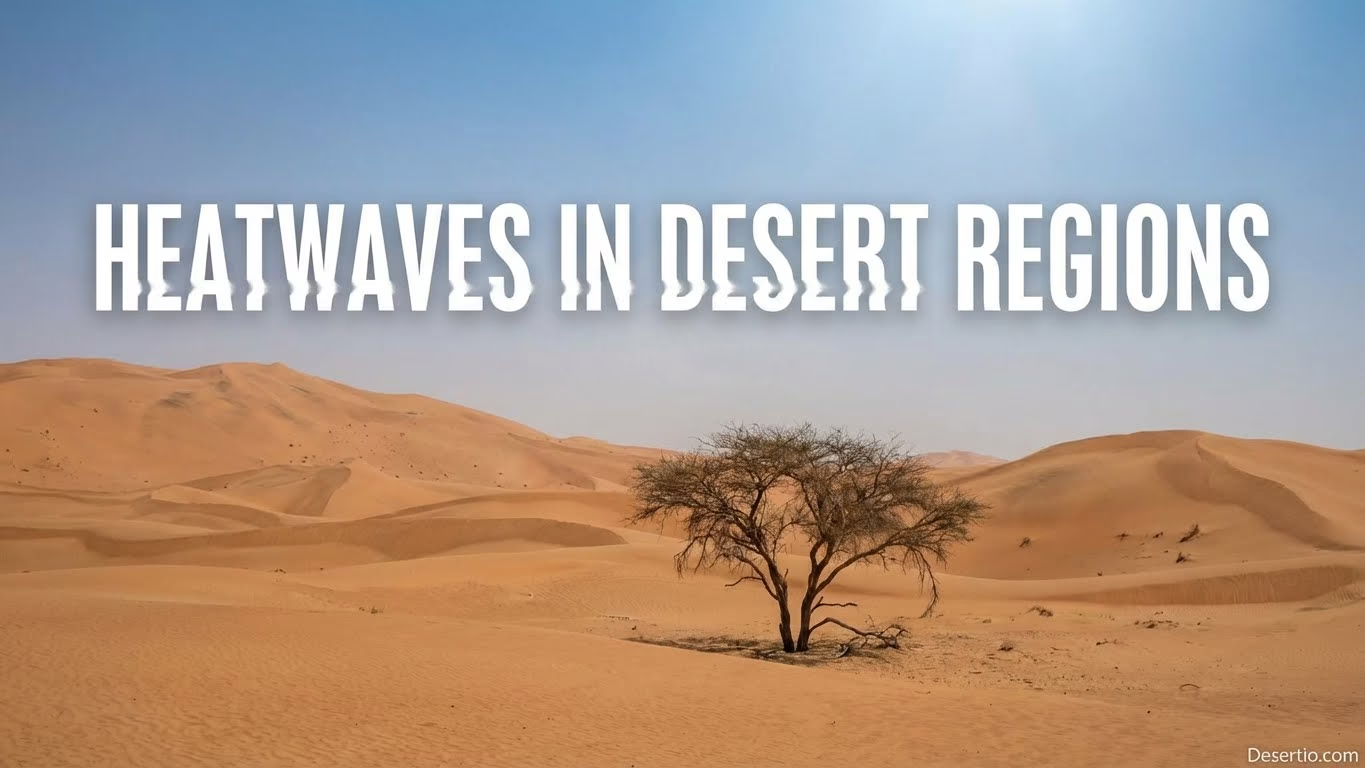
Desert heatwaves are those stretches of extreme heat that push a normally hot place into “whoa” territory. The air can feel like a hair dryer set to high, and the ground behaves like a giant warm skillet. In many arid climates, a heatwave isn’t just about a big number on a thermometer—it’s about how long the heat sticks around, how warm the nights stay, and how quickly the day ramps up. If you understand the desert heat playbook, you can plan smarter, move safer, and still enjoy the magic of wide-open sand and stone.
- Quick Map for This Guide
- What Counts as a Heatwave
- How Desert Heatwaves Form
- Clear Skies, Big Sun
- Dry Ground, Less Natural Cooling
- Dry Heat vs Humid Heat in Desert Regions
- Heatwave Signals You Can Spot Early
- How Your Body Handles Desert Heat
- Early Warning Clues Worth Respecting
- The Daily Rhythm of Desert Heat
- A Practical Heat Safety Kit for Desert Regions
- What to Pack
- How to Use It
- Car and Camp Heat: Small Habits, Big Payoff
- What Heatwaves Do to Desert Landscapes
- Planning Outdoor Time During Desert Heatwaves
- Frequently Asked Questions
- Is a Desert Heatwave Always a “Heat Dome”?
- Why Does It Feel Hotter Near Rocks and Sand?
- Do Warm Nights Really Matter That Much?
- What’s the Best Time to Be Active?
Quick Map for This Guide
Jump to the bits you need most: heatwave meaning, how heat builds, dry vs humid heat, and a practical heat safety kit. Pick a section, skim fast, or read it all in one go.
What Counts as a Heatwave
A heatwave is basically a run of days that are unusually hot for that specific place, not just “hot in general.” Many weather services use ideas like “two or more days” plus temperatures that push beyond local norms. That matters in a desert climate, because “normal” is already warm. So the real signal is the duration and the lack of relief, especially at night.
One more detail people miss: nighttime heat can be just as important as the daytime peak. Cooler nights are your body’s reset button; when nights stay warm, that reset gets weaker. In a true desert heatwave, the day starts hotter, climbs faster, and hangs on longer—like the sun forgot to take a break. That’s why forecasts often talk about both highs and overnight lows.
How Desert Heatwaves Form
Most desert heatwaves are powered by a stubborn blob of high pressure that hangs out for days. High pressure nudges air downward, and sinking air warms as it compresses. Add clear skies, and sunlight pours in all day, charging the surface like a big solar panel. In simple terms: the atmosphere puts a lid on the region, and the land heats up underneath it. It’s heat trapping with a wide-brimmed hat—part of broader desert climate dynamics that shape how heat builds and lingers across arid regions.
Clear Skies, Big Sun
With fewer clouds, solar heating ramps up fast. The ground absorbs energy, then releases it back into the air as sensible heat. In many arid regions, that exchange is efficient—dry air doesn’t “buffer” temperature swings much. That’s why a desert afternoon can feel like opening an oven door.
Dry Ground, Less Natural Cooling
When soil and plants have limited moisture, there’s less evaporative cooling. Normally, some sunlight energy goes into turning water into vapor, which steals heat. During a heatwave, that “hidden cooling” can fade, and more energy becomes straight-up warming. That feedback can make hot spells feel sharper and more relentless.
Wind can also act like a conveyor belt. If a region pulls in air from a hotter interior basin, temperatures jump. If the airflow comes off a warm sea or gulf, you can get a sneaky combo: high heat plus higher humidity. Either way, the atmosphere is basically saying, “Here, have more thermal load.”
And then there’s nighttime. Deserts are famous for cooler evenings, but a desert heatwave can blunt that drop. Warm air masses, lingering haze, and extra moisture can slow down radiational cooling. The result is a warm night that doesn’t feel refreshing. Your body may not cool as well, and the next day starts with a head start on heat stress.
Dry Heat vs Humid Heat in Desert Regions
Not all deserts “feel” the same during a heatwave. Some are classic dry-oven hot. Others get bursts of moisture that make sweating less effective. Here’s a clean way to picture the difference, without getting lost in jargon: dry heat stresses water balance, while humid heat stresses your body’s cooling system. Both matter. A lot.
| Heatwave Type | How It Feels | What Usually Becomes the Main Challenge | Helpful Response |
|---|---|---|---|
| Dry Desert Heat | Hot, crisp, fast-drying air; shade helps a lot. | Dehydration and rapid fluid loss; sun exposure adds extra load. | Prioritize water, add electrolytes, and use shade strategy. |
| Moist Desert Heat | Sticky, heavy heat; sweat doesn’t evaporate well. | Reduced cooling from sweating; heat stress builds sooner. | Seek cool airflow, limit intensity, and watch time outdoors. |
| Warm Nights | Less relief after sunset; sleep can feel “too warm.” | Recovery gets weaker; daytime strain stacks up. | Cool your space, hydrate, and plan early starts with rest breaks. |
Heatwave Signals You Can Spot Early
You don’t need a meteorology degree to notice a desert heatwave building. A few signs show up in everyday life: the morning starts warmer than usual, the breeze feels like it’s coming from a warm fan, and the afternoon heat arrives earlier. The sky can look extra clear and “still,” which often matches high-pressure behavior. It’s the calm before the really hot calm.
- If you step outside at sunrise and it already feels too warm, treat that as a real signal, not a vibe.
- If the wind turns gusty and hot, you may be getting an air-mass change that boosts daytime peaks.
- If nights stay warm and you wake up feeling “not refreshed,” that’s a stacking effect from overnight heat.
How Your Body Handles Desert Heat
Your body cools itself mainly by sweating and letting that sweat evaporate. In dry desert heat, evaporation works well—but you can lose water fast without noticing. In more humid desert heat, sweat doesn’t evaporate as easily, so your cooling system struggles. Either way, the key idea is the same: manage heat stress before it piles up.
A simple self-check is to ask: “Am I still thinking clearly, moving smoothly, and sweating normally?” If the answer gets wobbly, it’s time to slow down. During strong heatwaves, even small tasks can feel big—your body is spending energy just to stay cool. That’s not weakness; it’s basic physiology doing its job.
Early Warning Clues Worth Respecting
- Thirst that shows up suddenly, plus a dry mouth or dry lips.
- Headache, lightheaded feeling, or “floaty” focus—your brain hates dehydration.
- Muscle cramps, unusual fatigue, or chills even though it’s hot.
- Confusion or clumsy coordination is a “stop now” sign in extreme heat.
If symptoms feel intense or keep getting worse, it’s smart to seek professional help. In desert heatwaves, waiting it out can backfire. Better to act early and stay safe, even if it feels like overkill.
The Daily Rhythm of Desert Heat
Desert days have a rhythm, and during a heatwave that rhythm gets louder. Mornings can be your best window—cooler air, lower sun angle, and a body that’s not yet drained. Midday through late afternoon is the rough zone, when radiant heat from rock and sand adds to the air temperature. It can feel like heat is coming from every direction.
Plan like you’re budgeting energy. Do the “active” stuff early. Save the slower stuff—photos, viewpoints, short strolls—for later, and keep breaks frequent. If a day looks like peak extreme heat, treat it like you would treat a stormy day: fewer risks, more margins, and simpler plans.
A Practical Heat Safety Kit for Desert Regions
This is the user-friendly part. A desert heatwave doesn’t require fancy gear—just smart basics used consistently. Think of it like building a small “cooling system” you carry with you. The goal is simple: limit heat gain, support sweating, and avoid the spiral of overheating.
What to Pack
- Water in more than one container, so you’re not stuck if one leaks.
- Electrolytes (tablets or mix) for longer outings in high heat.
- A wide hat, sunglasses, and light clothing that breathes.
- A compact shade option (umbrella or tarp) for sun breaks.
- A damp cloth or cooling band for quick skin cooling.
How to Use It
- Drink steadily, not all at once—small sips keep you stable.
- Pair water with salts if you’re sweating a lot in dry heat.
- Build micro-breaks: 5 minutes of shade can cut heat load quickly.
- Cool wrists and neck; those spots can feel like fast lanes for comfort.
- Adjust pace before you feel bad—this is the secret sauce of heat safety.
One underrated move: give your body time to adapt. Heat acclimatization is real—people often feel better after several days of sensible exposure. Still, “adapted” doesn’t mean “invincible.” During extreme heat, the smartest move is often doing less, earlier, and with more shade than you think you need.
Car and Camp Heat: Small Habits, Big Payoff
Vehicles and tents can heat up fast in a desert heatwave. Crack ventilation where safe, use reflective shades, and keep water accessible. If you’re camping, aim for airflow, early setup, and a shaded “rest spot” you can retreat to. Think of shade as your portable oasis, and use it like you mean it.
What Heatwaves Do to Desert Landscapes
Deserts are built for extremes, and many desert plants and animals have clever ways to handle heat. During a heatwave, you’ll often see behavior shifts: more activity at dawn, more stillness at midday, and a lot more hiding in shade. In dunes and dry washes, surface temperatures can rise far above the air temperature, so shade becomes extra valuable—even for hardy species.
Heat can also change the “feel” of the ground. Dry soil crusts can harden, fine dust can become easier to lift when winds arrive, and rocks can store warmth late into the evening. If you’re walking, remember that radiant heat from the ground is a real contributor. The landscape isn’t just scenery—it’s part of the heat engine.
Planning Outdoor Time During Desert Heatwaves
If your day includes hiking, photography, fieldwork, or a long drive, plan around heat timing. Start early, keep routes shorter than usual, and add “exit options” so you can change plans without stress. During extreme heat, being flexible is a superpower. It keeps the day fun instead of turning it into a grind.
- Check forecasts for highs and overnight lows, not just one number.
- Pick trails or stops with shade access and easy turnaround points.
- Carry more water than you think you’ll need, and pace like you’re conserving energy.
- Tell someone your general plan if you’re going remote; it’s simple good practice.
Also: don’t let “it’s dry” trick you. Dry air can hide how much you’re sweating, and you may not feel sticky even while losing lots of fluid. In a desert heatwave, hydration is not a dramatic emergency move—it’s a calm, constant habit. Keep it boring, keep it consistent, and you’ll feel way better.
Frequently Asked Questions
Is a Desert Heatwave Always a “Heat Dome”?
Often, a big high-pressure pattern plays a role, and people casually call it a heat dome. But the label matters less than the ingredients: sinking air, clear skies, and an air mass that doesn’t move on. If those ingredients stick around, you get a persistent heatwave almost anywhere—including desert regions.
Why Does It Feel Hotter Near Rocks and Sand?
Because you’re getting heat from multiple angles. The sun warms the surface, and that surface sends radiant heat back up. Dark rock and compact sand can store a lot of energy, so the air just above the ground can feel extra intense. Shade helps because it reduces direct sunlight and cuts down the radiant load hitting you.
Do Warm Nights Really Matter That Much?
Yes. Cooler nights are how your body recovers from daytime heat stress. When nights stay warm, your internal “cool-down” window shrinks. That can make the next day feel harder even if the daytime high is similar. If you notice a run of warm nights, treat it like a real part of the heatwave pattern, not just a detail.
What’s the Best Time to Be Active?
Early morning is usually your friend in desert heat. During a heatwave, that window can be shorter than usual, so start earlier and finish sooner. If you must be out later, keep it light, add shade breaks, and listen to your body’s signals. The “best” time is the time you can do it comfortably and safely.
