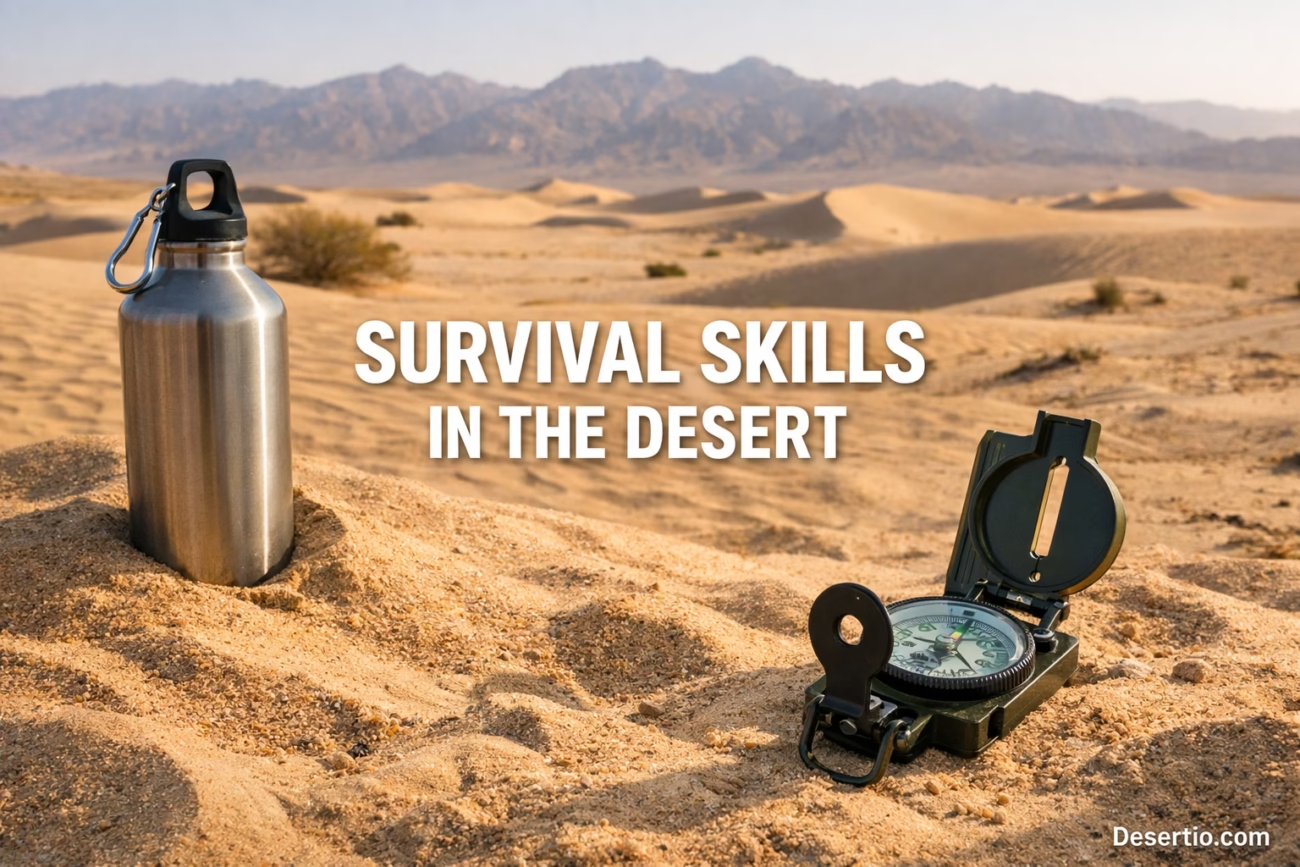
Desert survival skills are really about staying comfortable enough to think clearly in a place that’s short on water and long on sun. Get the basics right—hydration, shade, navigation, and a calm plan—and the landscape stops feeling mysterious and starts feeling readable, much like the practical knowledge passed through many desert cultures and traditional survival practices.
- Why Desert Conditions Catch People Off Guard
- Not All Deserts Feel The Same
- Heat Management and Hydration
- Heat Illness Signals To Take Seriously
- Clothing and Sun Protection That Actually Works
- Shelter and Shade: The Fastest Way To Feel Better
- Navigation Without Guesswork
- Water: Finding, Collecting, Making It Safer
- Food and Energy: Keep The Math Honest
- Signals and Staying Findable
- When You’re Lost: A Simple Decision Pattern
- Vehicle Breakdowns in Desert Terrain
- Wildlife and Plant Awareness
- A Calm Mind in a Big Landscape
- Skills That Stick Through Practice
Why Desert Conditions Catch People Off Guard
Deserts don’t always look dramatic, which is exactly why they surprise people. A wide, quiet basin can feel friendly until the air starts pulling moisture from you like a sponge. Add glare, wind, and distance, and small mistakes get louder fast.
- Low humidity speeds up water loss through breathing and sweat.
- Radiant heat from rock and sand can feel stronger than the air temperature suggests.
- Temperatures can swing hard between day and night, so layering matters.
- Landmarks can be subtle, and mirage-like shimmer can make distance feel weird.
Not All Deserts Feel The Same
“Desert” is a moisture story, not a temperature story. Some deserts roast, some bite with cold, and some stay cool but dry. Planning is easier when you picture the type of desert you’re in and the main stress it puts on the body.
- Hot arid deserts: heat load and rapid dehydration.
- Cold deserts: wind chill, dry air, and nighttime cold.
- Coastal deserts: cool air, fog, and sneaky dehydration.
- High deserts: strong sun, cooler temps, and fast weather changes.
| Common Challenge | What It Does | What To Prioritize |
|---|---|---|
| Heat + sun | Raises core temperature and drains fluid faster | Shade, pacing, sun protection |
| Dry air | Makes dehydration harder to notice early | Steady drinking and salt balance |
| Wind + sand | Chills at night, irritates eyes/skin | Eye protection, face cover, windbreak |
| Distance | Turns small detours into big time costs | Navigation habits and turnaround rules |
Heat Management and Hydration
If there’s one desert lesson that keeps paying rent, it’s this: control your heat load. Your body is a little engine, and the desert is a big oven. When you move hard at the wrong time, you’re asking your cooling system to do miracles. Instead, keep effort steady, use shade like it’s a tool, and treat water as a performance resource, not a last-minute rescue.
For many people in hot, dry conditions, around 4 liters per person per day is a common starting point for short outings, and active travel can demand more. Exact needs swing with temperature, workload, body size, and how much you sweat, so the smarter move is to watch signs—thirst, energy, urine color, and mental sharpness—rather than chase a single number.
- Front-load the easy hours: early morning movement feels like cheating—in a good way.
- Sip steadily instead of waiting for a big thirst spike.
- Replace salt when you sweat a lot; think salty snacks or electrolytes.
- Use shade breaks like a metronome: move, rest, cool, repeat.
Heat Illness Signals To Take Seriously
Heat exhaustion often shows up as heavy sweating, weakness, headache, dizziness, cramps, or nausea. Heat stroke is an emergency—confusion, fainting, very hot skin, or a person who seems “not themselves” in the heat. If heat stroke is suspected, treat it as urgent and get help fast.
Clothing and Sun Protection That Actually Works
In the desert, your clothing is portable shade. Loose, breathable layers help the body cool while keeping the sun off your skin. A wide-brim hat (or a cap with a neck drape) is like carrying a tiny roof. Add UV-blocking sunglasses, and suddenly the day feels quieter.
Skin protection is more than comfort; it’s efficiency. Sunburn makes cooling harder and can mess with sleep. Use sunscreen on high-exposure spots (nose, ears, hands), and don’t forget lips. The goal is simple: stay cool enough to make good decisions.
Shelter and Shade: The Fastest Way To Feel Better
Shade changes everything. The moment you step out of direct sun, your body gets a break, your water use drops, and your mind clears. Even a small shadow is a win, so think like a desert animal: use rocks, ledges, dunes, or vegetation, then improve it with gear. A tarp or emergency blanket can turn a harsh spot into a workable camp.
- Pick a spot that blocks sun first, then wind second; sun control is the main prize.
- Raise a tarp high enough for airflow; heat trapped low feels like a furnace.
- Angle the shelter so the shadow stays where you sit as the sun moves.
- Make the ground comfortable: sit on a pad or spare clothing to reduce heat transfer.
Night shelter matters too. Deserts can cool quickly, especially with wind. A light insulating layer and a windbreak keep sleep from turning into a shiver marathon. Good rest is a survival tool, not a luxury.
Navigation Without Guesswork
Desert navigation rewards people who stay boring. Big, dramatic course changes feel heroic, but steady bearings and frequent checks keep you from wandering. A map and compass are still the backbone; GPS is great, yet batteries and heat can be a weak link. Aim for layered navigation: more than one way to confirm where you are.
- Handrails: follow linear features like ridgelines, washes, or tracks when they match your route.
- Backstops: pick a boundary that tells you you’ve gone too far (a road, a ridge, a distinct canyon).
- Micro-checks: confirm direction every time you pass a clear landmark.
- Mark time and distance; deserts can make “near” feel close while staying far.
Mirage shimmer can distort the horizon, especially over flat ground. Treat distant “water-looking” patches as what they usually are: light playing tricks. Use closer reference points, and let your compass do the calm, steady work. Patience beats guessing.
Water: Finding, Collecting, Making It Safer
Water is the big headline, but it’s also the most misunderstood part of desert survival. The smartest plan is still to carry enough. After that, the game becomes noticing where water might hide and using safe treatment methods when you find it. Think of the desert like a pantry with locked doors: water exists, but it isn’t always accessible.
When you’re scanning terrain, look for clues that point to drainage and storage. Dry riverbeds, rock basins, shaded gullies, and areas with thicker vegetation can be hints. After rain, water can linger in rock pools and depressions. In some regions, early-morning dew can be collected from smooth surfaces, though yields are usually small and conditions-dependent.
- Follow the shape of the land: low points and channels tell you where runoff travels.
- Check shaded rock pockets first; shade slows evaporation.
- Collect carefully to avoid stirring sediment; let cloudy water settle if possible.
- If you can’t verify safety, treat the water before drinking.
For treatment, choose methods that match your situation and gear. Boiling is effective when you can do it safely. Filters help with particles and many microbes, and chemical tablets are lightweight backups. UV devices can work well when water is clear. A solar still can produce water in some conditions, but output is typically low for the effort, so it’s better seen as a supplemental option than a main plan.
Food and Energy: Keep The Math Honest
In a survival situation, energy is currency. Foraging can cost more water and calories than it returns, especially in heat. That’s why simple, familiar foods—nuts, bars, dried fruit, crackers—often make more sense than chasing wild options. When you eat, you help your body hold onto water and keep steady output.
Aim for small, regular snacks during movement and a more settled meal when you’re shaded and cooling down. Salty foods can support fluid balance when you’re sweating, and carbohydrates can feel like a spark plug for tired legs. Keep it simple, keep it familiar.
Signals and Staying Findable
Rescue is easier when you look intentional from the sky and obvious from the ground. Deserts offer wide visibility, which is a gift if you use contrast and repetition. A mirror flash, a bright cloth, or a well-placed marker can travel farther than shouting ever will. The classic idea is three of something—three whistle blasts, three flashes—because patterns stand out.
- Make big shapes: think “seen from a hill,” not “seen from a few steps away.”
- Use contrast: light material on dark ground, dark material on light ground.
- Signal on a schedule; consistency helps others notice.
- If you have a locator beacon or satellite messenger, keep it accessible, not buried.
When You’re Lost: A Simple Decision Pattern
Stop, cool down, drink a little, and take a full look around. Think through last-known points and time. Observe the terrain and your resources. Plan your next move and stick to it. Calm choices beat fast choices.
Vehicle Breakdowns in Desert Terrain
A vehicle is shade, visibility, and supplies in one package. If it stops moving, it still has value. In many situations, staying with the vehicle makes you easier to locate and gives you shelter while you manage heat and water. The desert is vast; a person is small, but a vehicle is a landmark.
- Get out of direct sun and create shade next to the vehicle.
- Ration effort, not just water; rest in shade during peak heat.
- Make the vehicle visible: open the hood (if safe), place bright fabric, use reflective signals.
- Keep water and key supplies organized so you’re not searching in the heat.
If you must move, do it with a clear plan, reliable navigation, and the right timing. Night or early morning travel can reduce heat load, but only if you can navigate safely. Treat movement as a calculated choice, not a panic reaction.
Wildlife and Plant Awareness
Most desert wildlife wants the same thing you do: a quiet day without trouble. The practical approach is respectful distance and simple habits. Check where you place hands and feet, keep sleeping areas tidy, and shake out shoes or gloves before putting them on. Small routines like these are low effort and high payoff.
- Use a light at night; step where you can see.
- Don’t handle unfamiliar creatures; observe and give space.
- Store food securely; it helps keep camp calm and predictable.
- Choose campsites with fewer hiding spots right next to your sleep area.
Plants deserve the same respect. Many desert plants are tough because they protect their moisture. Enjoy them as landmarks and shade providers, and avoid using unknown plants for food or water. When you need decisions to be reliable, certainty matters. Familiar and verified beats experimental.
A Calm Mind in a Big Landscape
Deserts can feel like an ocean made of stone and sand—beautiful, wide, and indifferent to hurry. That’s why mindset is a real skill. Slow your pace before you feel forced to. Make choices in the shade. Keep tasks small and clear: drink, cool, check direction, repeat. Rhythm keeps you steady.
Heat and dehydration can quietly blur thinking, so build “decision anchors.” Set a turnaround time. Agree on check-in intervals. Decide in advance what counts as a red flag—confusion, headache, stumbling, nausea—so you don’t debate it later when you’re tired. Clear rules feel like guardrails in a wide-open place.
Skills That Stick Through Practice
The most useful desert survival skills are the ones you’ve rehearsed when nothing is at stake. Practice setting up shade quickly. Test how much water you actually drink per hour at different paces. Do short navigation drills with map and compass until it feels natural. When stress arrives, the body reaches for habits—so build habits that point toward cool, steady control.
Even simple training days build confidence: walk in the early morning, take shade breaks, check bearings, and notice how the terrain “speaks” through drainages, ridges, and wind patterns. Deserts reward attention. Stay observant, stay patient, and let good fundamentals do the heavy lifting.
